On Hiding Your Tears
Category: Reflection · 3 min read
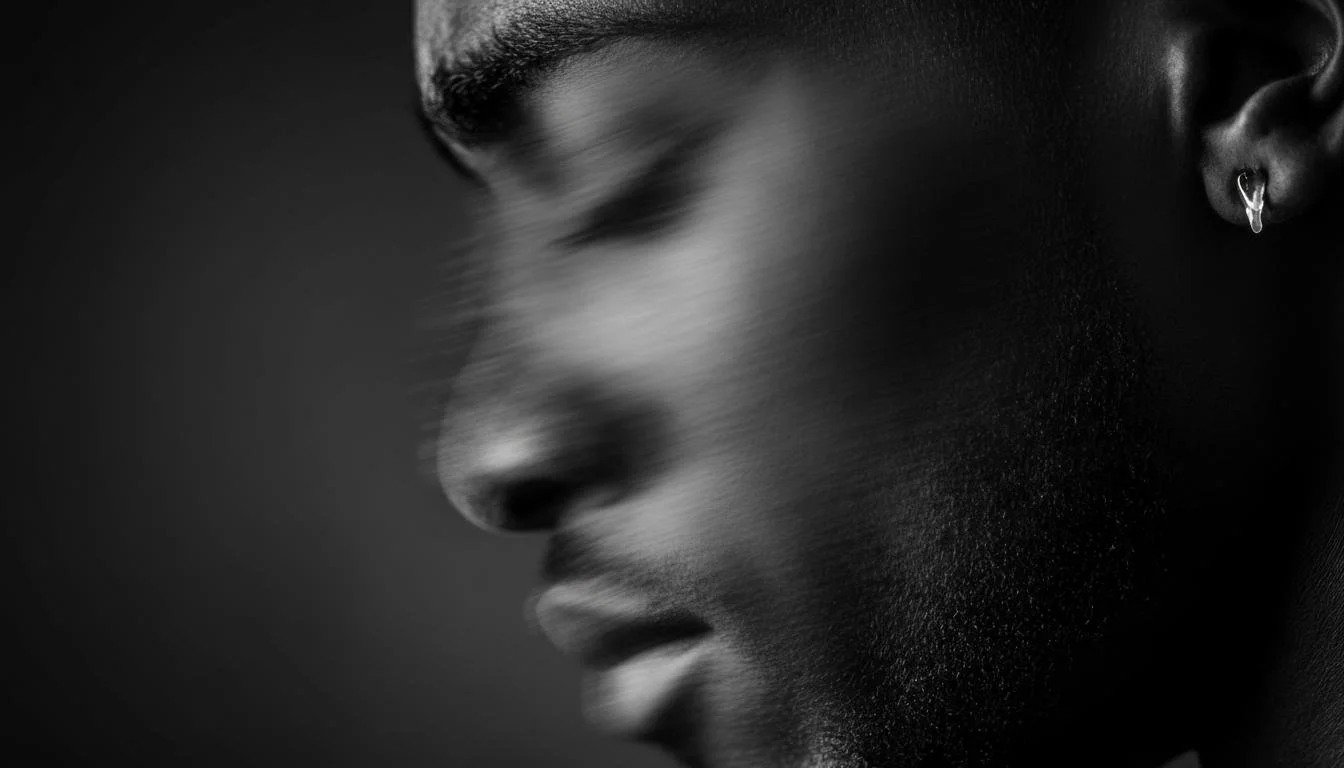
You've done it.
Gathered yourself in the car. Taken a breath before walking back into the room. Stood in the bathroom a little longer than necessary so no one would see your face before you were ready.
This post doesn't ask you to stop.
It asks what it costs.
You know the routine without having to think about it. The drive home, or the bathroom, or the thirty seconds in the garage with the engine off. Whatever it took — you pulled it back together. Wiped your face. Steadied your voice. Found the expression that says everything is handled.
And then you opened the door and walked back into the lives of the people who need you to be okay.
Nobody taught you to do this. You learned it the way you learn most things that matter — by needing to.
There is a kind of strength in it.
You don't fall apart in front of your kids. You don't make your own hard day everyone else's to carry.
That restraint is real, and it is a form of love.
This post is not here to take it from you.
But strength that no one ever sees has a cost, and you've been paying it quietly for a long time.
The cost is this: somewhere along the way, hiding became so automatic that you stopped noticing you were doing it. The composing happens before you've even registered the feeling. And a person can go years like that — fluent in holding it together, a stranger to being held.
Here is the thing I want to sit with you about. Hiding your tears from the people who depend on you may be wisdom. Hiding them from God was never required.
David too found himself at such a place of reckoning — we find him there in Psalm 56.
David is not writing from the polished side of victory. He is afraid. Pressed. Watched. Misunderstood. Surrounded by people who seem determined to twist his words and track his steps. This is not the heroic image of David we often remember. This is David in a vulnerable place, trying to tell the truth about what fear feels like.
And in the middle of that fear, he says something tender and almost startling: his tears are not unnoticed by God.
They are counted.
They are kept.
They matter.
It is a strange and tender picture. The God of the universe bent close enough to count what runs down David’s face — the same is true of the fear, terror, and tears you reserve for those dark spaces.
You don't have to gather yourself for that. There is no version of you that is too much, too tired, or too undone to be in the room. The face you compose for everyone else — you can set it down here.
Nobody is waiting for you to be okay first.
You don't have to do anything with that right now. Just notice the option is there.
The car can wait.
The breath can wait.
You're allowed to be seen before you've fixed your face.
If this reflection met you somewhere familiar, The Direction Series was written for that kind of place — the quiet interior places where strength, surrender, and healing begin to meet. You are welcome to explore more at directionseries.com.
The Porchlight is on. 🔆
© 2025 Wylette P. Tillman | Polaris Press LLC.