The Difference Between Waiting and Wasting
Category: Theme · 4 min read
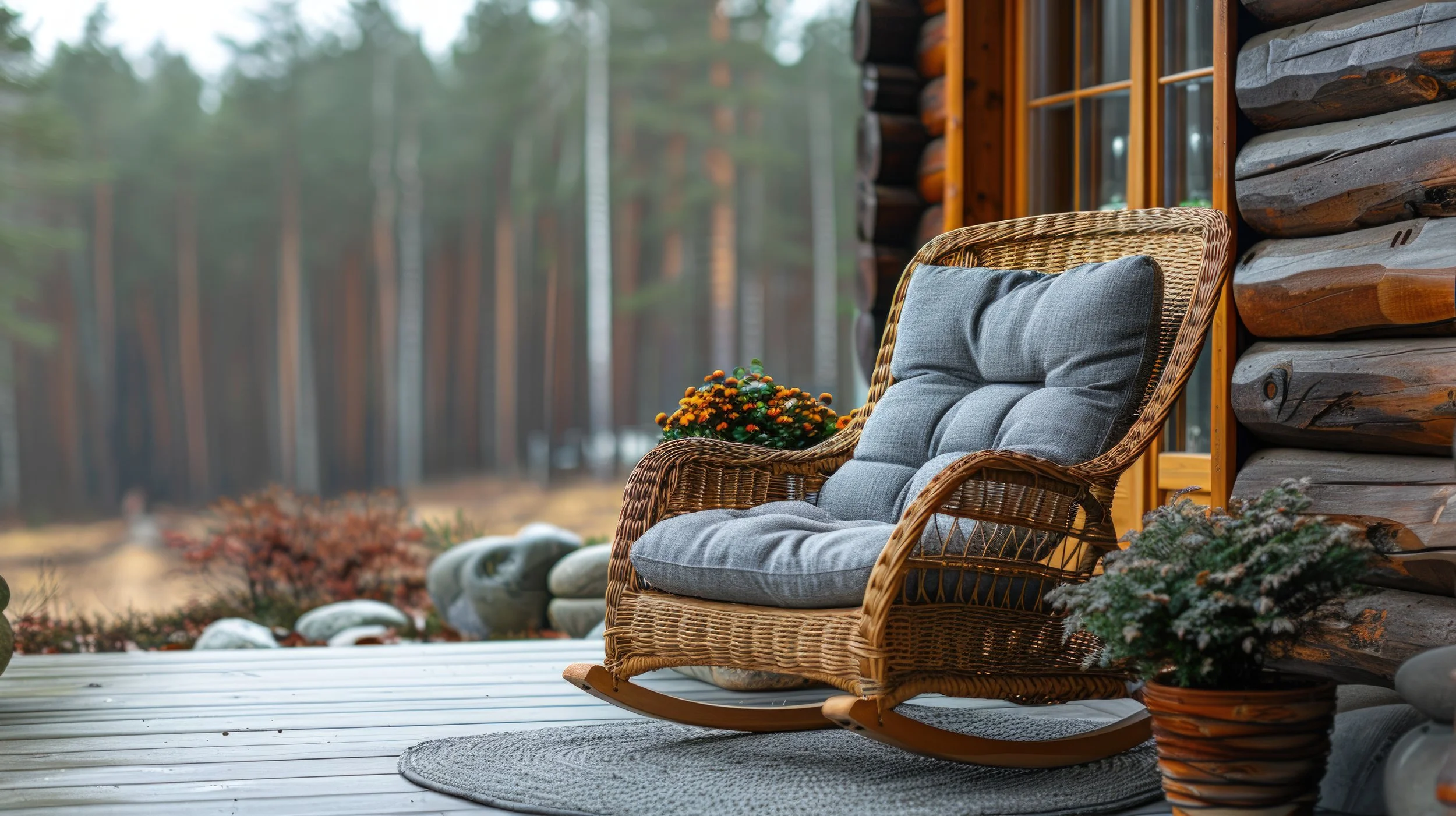
Waiting feels like doing nothing.
It rarely is.
This is about the formation that happens in the seasons we mistake for standstill.
You know the kind of season I mean. The job that won't change no matter how hard you work it. The prayer you've prayed so long it's worn smooth. The child you can't reach. The marriage that is neither healing nor ending. The result you're still waiting on. The sense that everyone else's life is moving and yours is parked at a light that won't turn green.
From the outside, nothing is happening. And from the inside, it feels like you're losing time you'll never get back.
We've been trained to hate that feeling. The world measures a life by what's visibly moving — output, progress, milestones you can point to. By that math, waiting is failure. Dead time. A gap to apologize for. So when a season slows down, we assume we've done something wrong, or that God has gone quiet, or that we're simply being left behind.
But there is a difference between waiting and wasting, and almost everything depends on which one you're actually doing.
Here's the strange part: from the outside, they look identical. Two people can sit in the very same stalled season — same closed door, same silence — and one is wasting it while the other is being formed by it. The circumstance doesn't tell you which is which. The posture inside it does.
There's a Hebrew word for the kind of waiting Scripture keeps asking of us — qavah. It doesn't mean idling. Those who've studied it often tie it to the picture of a cord pulled taut — strands twisted together into something stronger than any one of them was alone. Waiting, in that sense, isn't slack time. It's tension that is making you stronger while you can't feel it happening.
That's the whole distinction. Wasting is slack — checking out, numbing the discomfort, gritting your teeth until the season ends so your real life can resume. Waiting is tension held with hope — staying present in the very place you'd rather skip, trusting that something is being done in you even though nothing is being done around you.
Scripture is full of people stuck in seasons that looked like wasted time and weren't. The long years between a promise and its keeping. The stretches in prisons and wildernesses and back fields where the people God would later use were being quietly made ready. None of them could see the work while they were inside it. They felt forgotten. They were being formed.
It helps to remember how growth actually works underground. A seed in winter looks like nothing — like a thing that died and got buried. But the dormant season is when the roots go deep enough to hold the weight of everything that comes later. Rush that season, and the plant can't carry its own fruit. The waiting wasn't the obstacle to the growth. The waiting was the growth.
So if you're in one of those seasons right now — and if you're the one everyone leans on, you probably are, because the stalled places are where the strong get tested — hear this carefully. You are not behind. You are not failing. You are not wasting the time.
You may simply be in the part of the story that doesn't photograph well. The roots. The taut cord. The quiet, unglamorous, invisible work of being made ready for something you can't see yet.
You don't have to enjoy the season to stop despising it. You only have to stay — present, honest, hoping — instead of checking out until it passes.
That's the difference. And it's the whole difference.
Volume Four of the Direction Series is called Waiting. If this sat with you, you can begin at directionseries.com.
The Porchlight is on. 🔆
© 2025 Wylette P. Tillman | Polaris Press LLC.